
Chevreuil
NEWS
- 01/09/2026
Chevreuil : Autumn 2026
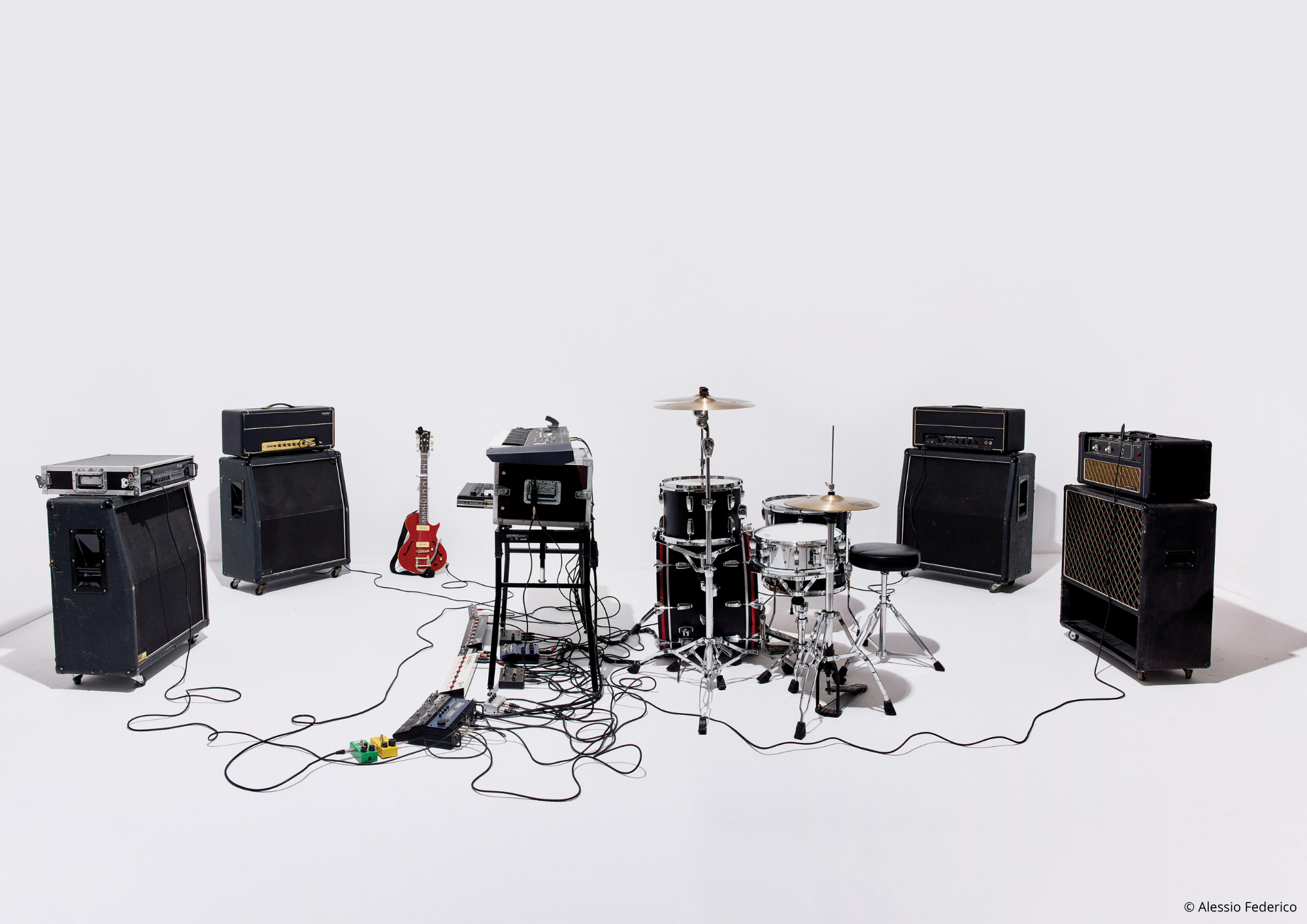
A magnetic guitar and four amps, an unamplified magnetic drum kit, a power socket and two bulbs that keep heating up and heating up: this is CHEVREUIL, a band that feels like a performance installation, making their long-awaited return after 20 years away. As they say, not to be missed UNDER ANY CIRCUMSTANCES. → On
BIO
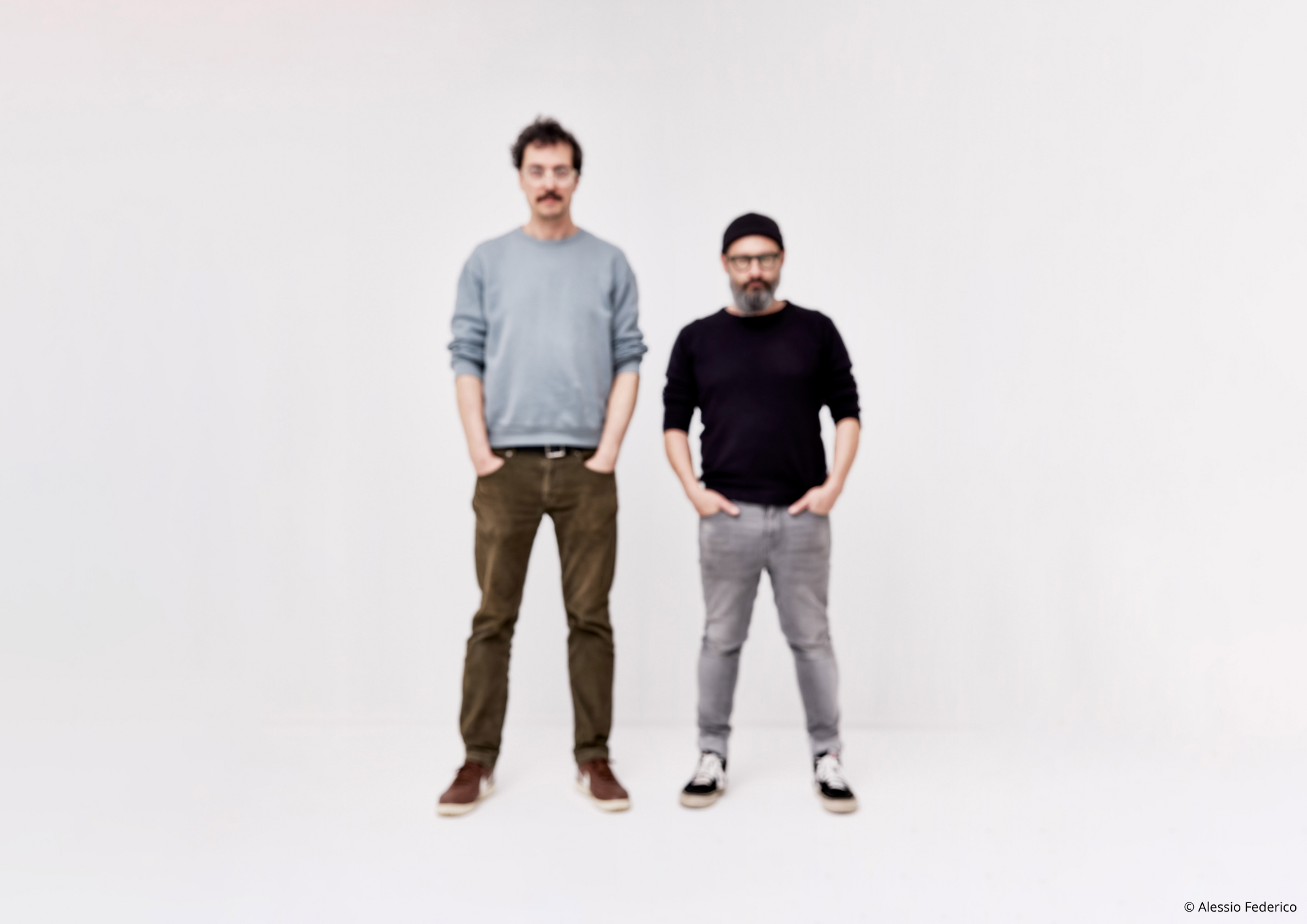
Chevreuil is the French rock duo of Julien F. and Tony C., formed in 1998 after the two met three years earlier at an Art School in Nantes. From the beginning, they approached the idea of a band as a performative art installation — a self-contained, sculptural device for sound, space, and motion rather than a conventional rock ensemble. Julien and Tony, respectively, in their parlance, play “magnetic drums” and “magnetic guitar,” an analogy for their livewire, one-on-one chemistry, where the music seems to fall together by way of natural forces.
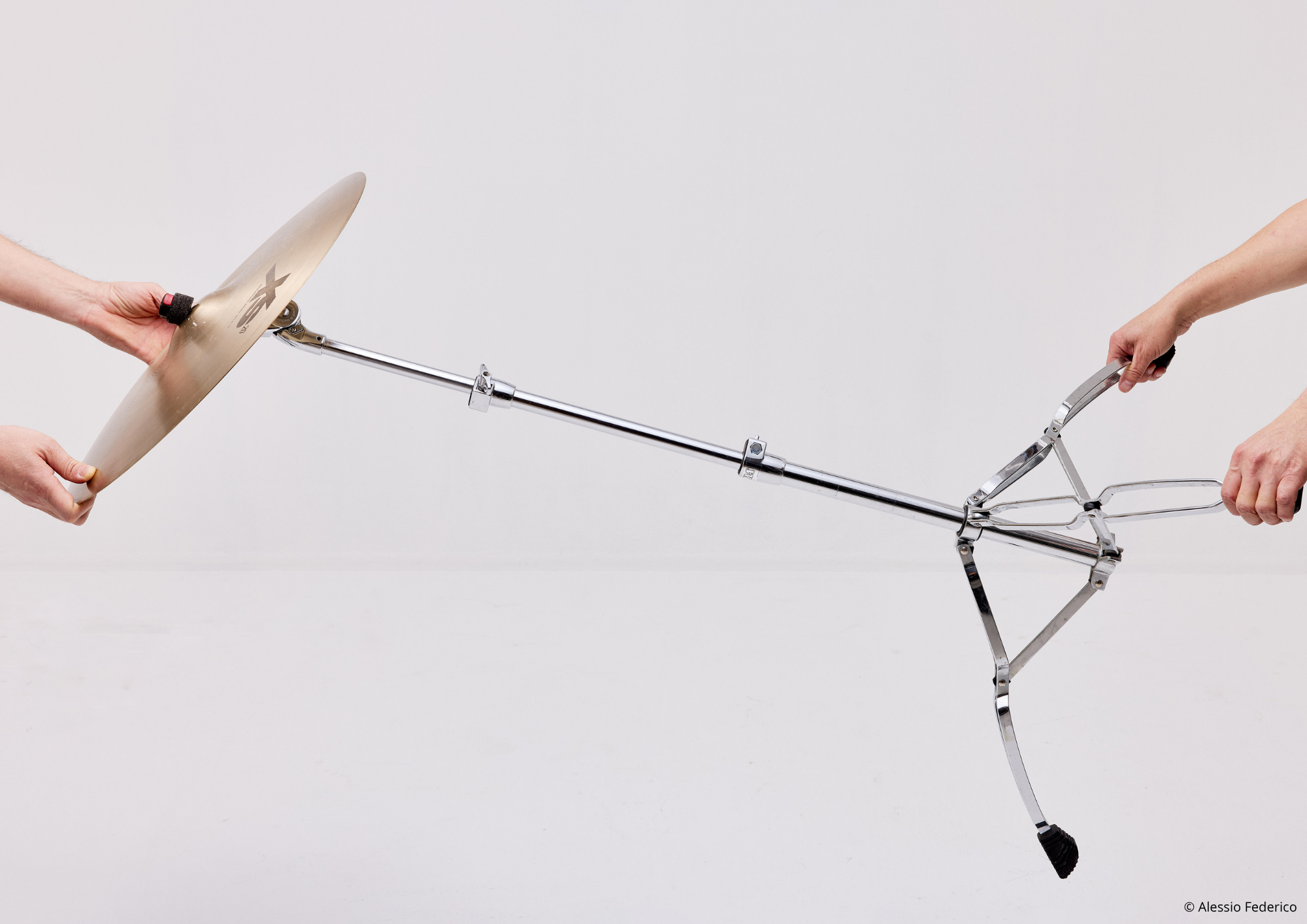
Rejecting the addition of a bassist early on, Chevreuil built its music around reduction, repetition, and architecture. Tony’s guitar runs through four amplifiers arranged around Julien’s drum kit, creating a quadraphonic field that surrounds the players. Julien’s 1976 Ludwig kit — built the same year both musicians were born — is never amplified, allowing the group to perform anywhere so long as there’s a single outlet for the amplifiers. The result is both physical and spatial — a minimalist engine of rhythm and resonance that behaves as much like an installation as a band. Their sound construction operates like an assemblage of interlocking blocks of energy, each part locking precisely into the next.
Between 1998 and 2006, Chevreuil released four albums, an EP, and several singles. Their recorded legacy includes Sport (2000), Ghetto Blaster (2001), Châteauvallon (2003), Science (EP, 2006), and Capoëira (2006). The last three were recorded by Steve Albini in Chicago. Issued on RuminanCe (Paris, France), Sickroom Records (Chicago, USA), and StiffSlack (Nagoya, Japan), these releases placed Chevreuil within a transatlantic network of artists who explore form and texture rather than genre convention.
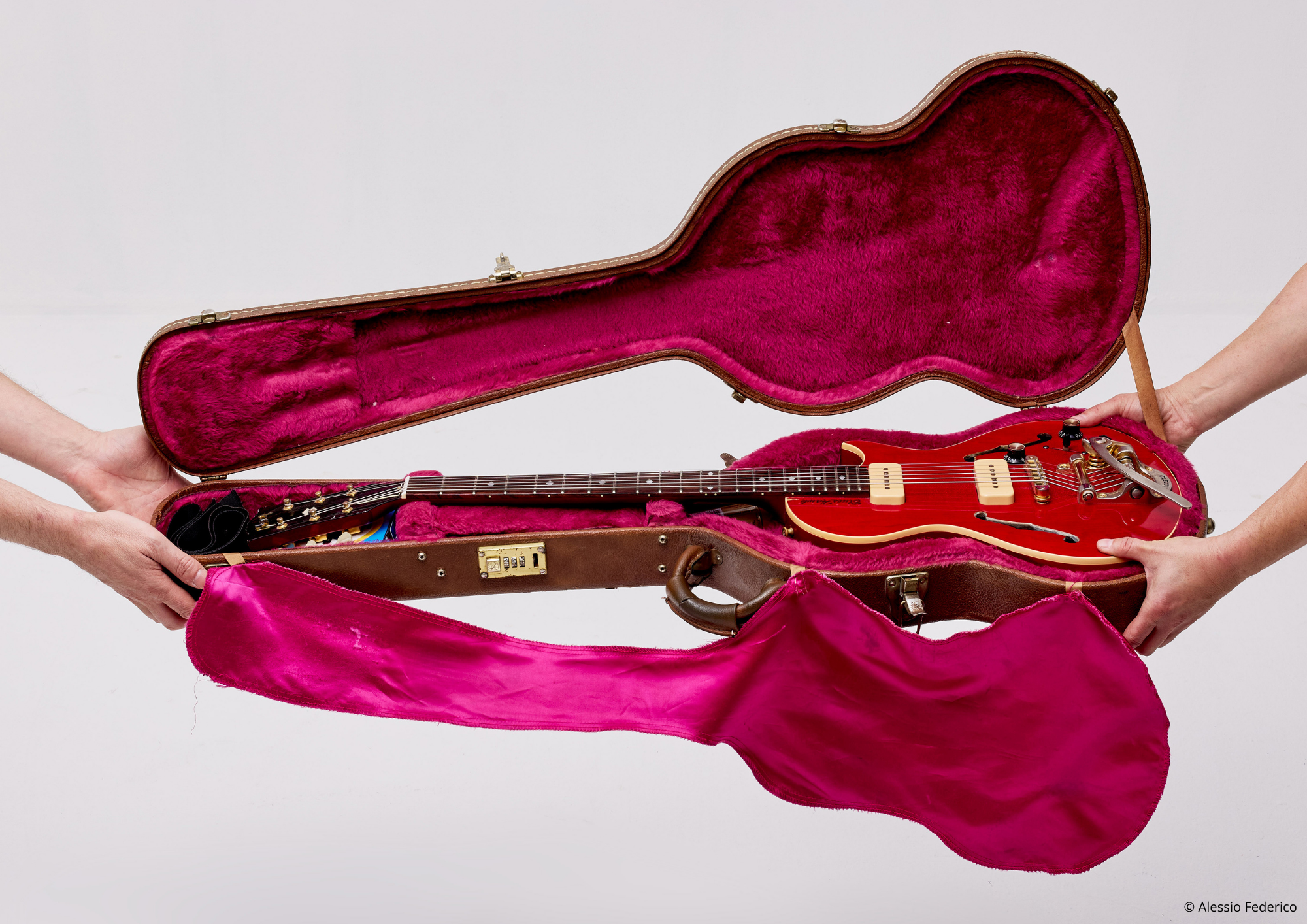
After a 20-year hiatus, Chevreuil returns with the double album Stadium, recorded in France in January 2025 and released on April 24, 2026 through Computer Students™. Stadium, Chevreuil’s most esoteric album to date, preserves the essential conditions of their earlier work—live recording, unamplified drums, and four-amp immersion—while introducing new elements that expand the duo’s sonic vocabulary. Central to this evolution is a reconfigured guitar, functioning as a hybrid electro-acoustic engine capable of generating electronic timbres without compromising the project’s self-contained design. Conceptually, the album draws on the music of the spheres, magnetism, radioactivity, barometric oscillations, astrometry and magic, using these ideas as lenses for exploring vibration and transformation. Each side of the double LP contains four pieces, forming parallel sequences that can be heard as two separate albums or a single continuum. The recording process remained constant — identical settings from tracking through mastering — so every variation arises solely from the nuance of performance.
Chevreuil’s return with Stadium reasserts their place in their lineage: a duo grounded in art-school conceptualism, sonic architecture, and human connection, building an environment of sound that is at once precise, raw, and alive.
LINE UP
Tony C. : Cithara magnetica
Julien F. : Tympana magnetica
LINKS
PRESS
THE WIRE (UK)
“A rhythmically oblique art rock with a groove that seems trapped in a perpetual cycle of decomposition and recomposition.”
Nowa Muzyka (PL)
“For some unspoken reason, ‘Stadium’ possesses a kind of magnetism that makes it hard to pull away.”
Rocking
“Stadium rises like a work of sacred symmetry, an album that transcends the boundaries of music to become a complete art installation, always fluid, always in motion.”
CONTACT
Booking : Mélanie Vitry
Promo : Five Roses

Tartarus (official video)
DISCOGRAPHIE
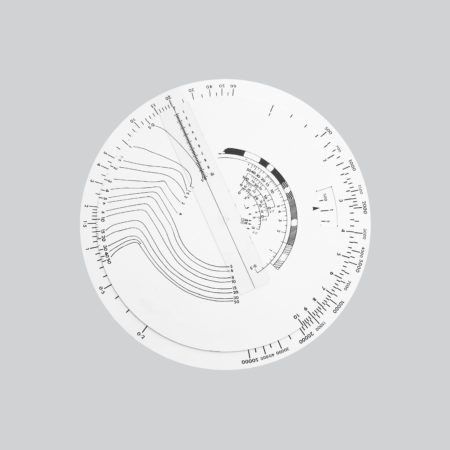
Stadium
Computer Students™2026
2xLP / CD / K7
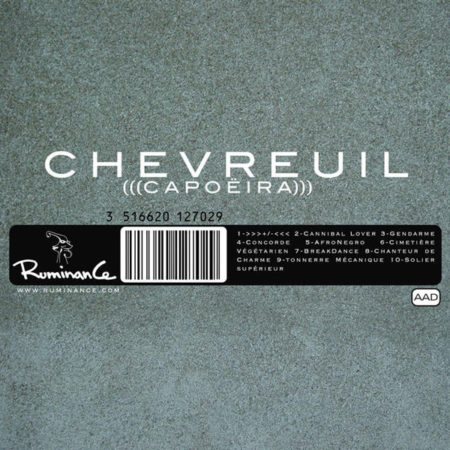
Capoëira
Ruminance2006
CD
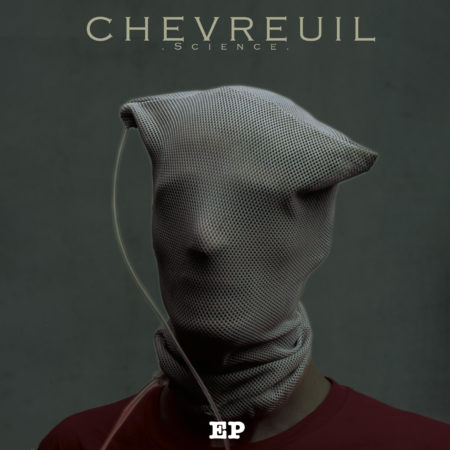
Science
Stiff Slack2006
CD
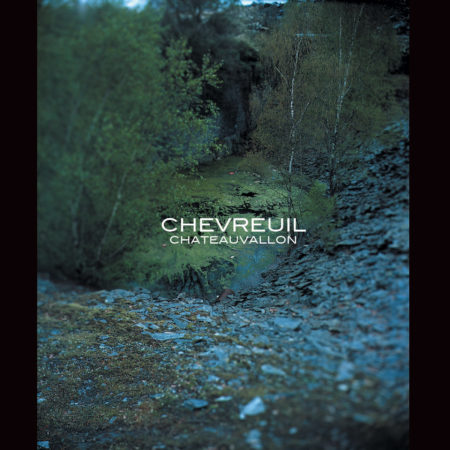
Chateauvallon
Ruminance / Ottonecker2003
2xLP / CD
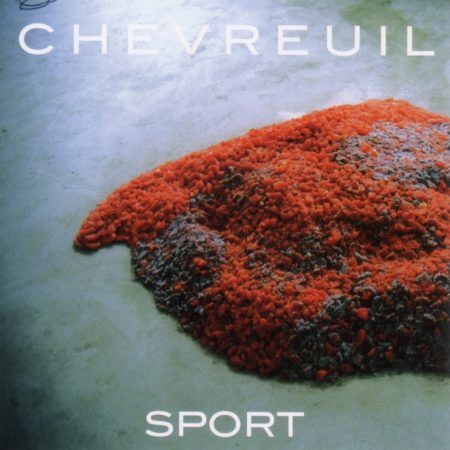
Sport
Ruminance / Ottonecker2001
LP / CD
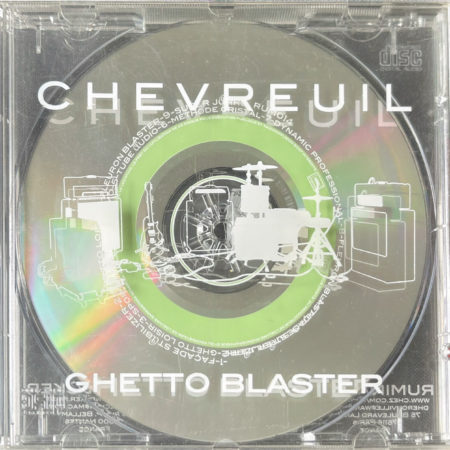
Ghetto Blaster
Ruminance2001
CD
Past shows
- DateCountryCityVenuewith
- 10/27/2026FranceLille (59)La Malterie (orga. Mohamed Dali)infos event
- 10/25/2026BelgiqueLiège (BE)KulturA. (orga. JauneOrange)infos
- 10/24/2026FranceNancy (54)Théâtre De Mon Désert (orga Monolithe)infos
- 10/23/2026FranceStrasbourg (67)October Tone Festivalinfos event
- 10/22/2026BelgiqueCharleroi (BE)Le Vecteur × Panorama (hors-les murs au stade communal de Marchienne-au-Pont)infos
- 10/21/2026LuxembourgEsch-sur-Alzette (LU)Kulturfabrikinfos
- 10/20/2026FranceBernay (27)Conservatoire (orga : au coeur du progressif musical (ACDPM))
events
-
Tartarus (official video)
NEWS
- 01/09/2026
Chevreuil : Autumn 2026
A magnetic guitar and four amps, an unamplified magnetic drum kit, a power socket and two bulbs that keep heating up and heating up: this is CHEVREUIL, a band that feels like a performance installation, making their long-awaited return after 20 years away. As they say, not to be missed UNDER ANY CIRCUMSTANCES. → On
BIO
Chevreuil is the French rock duo of Julien F. and Tony C., formed in 1998 after the two met three years earlier at an Art School in Nantes. From the beginning, they approached the idea of a band as a performative art installation — a self-contained, sculptural device for sound, space, and motion rather than a conventional rock ensemble. Julien and Tony, respectively, in their parlance, play “magnetic drums” and “magnetic guitar,” an analogy for their livewire, one-on-one chemistry, where the music seems to fall together by way of natural forces.
Rejecting the addition of a bassist early on, Chevreuil built its music around reduction, repetition, and architecture. Tony’s guitar runs through four amplifiers arranged around Julien’s drum kit, creating a quadraphonic field that surrounds the players. Julien’s 1976 Ludwig kit — built the same year both musicians were born — is never amplified, allowing the group to perform anywhere so long as there’s a single outlet for the amplifiers. The result is both physical and spatial — a minimalist engine of rhythm and resonance that behaves as much like an installation as a band. Their sound construction operates like an assemblage of interlocking blocks of energy, each part locking precisely into the next.
Between 1998 and 2006, Chevreuil released four albums, an EP, and several singles. Their recorded legacy includes Sport (2000), Ghetto Blaster (2001), Châteauvallon (2003), Science (EP, 2006), and Capoëira (2006). The last three were recorded by Steve Albini in Chicago. Issued on RuminanCe (Paris, France), Sickroom Records (Chicago, USA), and StiffSlack (Nagoya, Japan), these releases placed Chevreuil within a transatlantic network of artists who explore form and texture rather than genre convention.
After a 20-year hiatus, Chevreuil returns with the double album Stadium, recorded in France in January 2025 and released on April 24, 2026 through Computer Students™. Stadium, Chevreuil’s most esoteric album to date, preserves the essential conditions of their earlier work—live recording, unamplified drums, and four-amp immersion—while introducing new elements that expand the duo’s sonic vocabulary. Central to this evolution is a reconfigured guitar, functioning as a hybrid electro-acoustic engine capable of generating electronic timbres without compromising the project’s self-contained design. Conceptually, the album draws on the music of the spheres, magnetism, radioactivity, barometric oscillations, astrometry and magic, using these ideas as lenses for exploring vibration and transformation. Each side of the double LP contains four pieces, forming parallel sequences that can be heard as two separate albums or a single continuum. The recording process remained constant — identical settings from tracking through mastering — so every variation arises solely from the nuance of performance.
Chevreuil’s return with Stadium reasserts their place in their lineage: a duo grounded in art-school conceptualism, sonic architecture, and human connection, building an environment of sound that is at once precise, raw, and alive.
LINE UP
Tony C. : Cithara magnetica
Julien F. : Tympana magnetica
LINKS
PRESS
THE WIRE (UK)
“A rhythmically oblique art rock with a groove that seems trapped in a perpetual cycle of decomposition and recomposition.”
Nowa Muzyka (PL)
“For some unspoken reason, ‘Stadium’ possesses a kind of magnetism that makes it hard to pull away.”
Rocking
“Stadium rises like a work of sacred symmetry, an album that transcends the boundaries of music to become a complete art installation, always fluid, always in motion.”
DISCOGRAPHIE
Stadium
Computer Students™2026
2xLP / CD / K7
Capoëira
Ruminance2006
CD
Science
Stiff Slack2006
CD
Chateauvallon
Ruminance / Ottonecker2003
2xLP / CD
Sport
Ruminance / Ottonecker2001
LP / CD
Ghetto Blaster
Ruminance2001
CD
CONTACT
Booking : Mélanie Vitry
Promo : Five Roses